live_tv
Livestream Starting Soon
00
Hours
:
00
Minutes
:
00
Seconds
Up next in 10



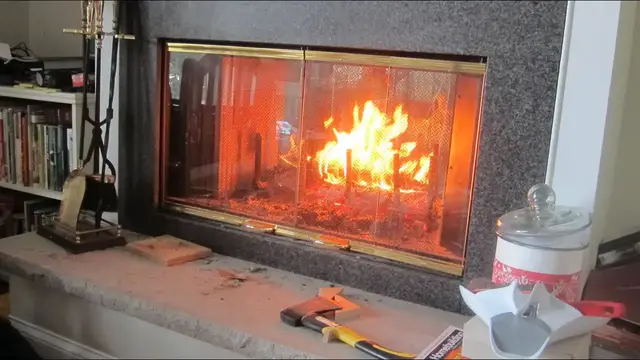
http://www.AsktheBuilder.com founder, Tim Carter, discusses chimney safety and how to prevent flue gases from setting your house on fire. Tim also answers a wide variety of questions about many different things.
Show More Show Less View Video Transcript
0:00
Hi, I'm Tim Carter, and welcome to Ask a Builder live stream today
0:07
We had a few little technical difficulties right before the internet just went dead
0:13
I think the router went to sleep. Did you know something? In fact, you may not know this
0:19
Did you know that really every week you should turn off your router, turn off your modem completely
0:26
I mean, like turn them off. And for example, in your modem, you may not know this, but frequently they have a battery, like a little lithium ion rechargeable battery that kind of keeps it powered up
0:39
Well, you have to pull that battery out too. And what you want it to do is you want the thing just to go to completely asleep
0:45
And then you power it back up and everything works a lot better
0:51
And I just had to go down and do that. So I'm running about two minutes late
0:55
So anyway, today is Open Mic Monday, and you can ask any question you want, and I will do my best to answer it
1:07
So feel free to ask away. I'll watch for your questions in the chat box
1:13
I wanted to also let you know that over the weekend, I researched live streaming software, and I have selected one
1:21
and I'm going to be trying it out here in the next few days
1:27
and try to get comfortable with it. No doubt I'm going to do a test stream to see if it works okay
1:34
But the cool thing is I'm now going to be able to share screenshots
1:39
I can share my screen. So if I have photos I want you to see
1:43
it'll just be so much easier to describe things. So I think the live streams are going to get a lot better
1:48
So anyway, here we go. Absolutely nothing. How do I take care of a chimney where the facing is popping off the bricks
2:01
Well, the first thing to do, I'm just going to, I don't know where the bricks are popping off
2:07
I don't know if it's up at the top, way up by the roof, or is it down low to the ground
2:13
somewhere in the middle? I'm going to assume it's up top. and the most common problem that causes that is your chimney crown is bad and the chimney crown
2:25
just think of a chimney crown is a roof so your house has a roof on it to keep water out of the
2:30
inside of your house right so your chimney needs a roof too and um bingo okay at the top that's
2:38
what I thought so here's the problem though most I would say I actually wrote about this
2:45
for my syndicated column this morning. And I would say less than one in 10,000
2:51
and it could be fewer than that, but less than one in 10,000 chimneys have a chimney crown that
3:01
is built correctly. You would be stunned what you have to do. You have to have an overhang
3:09
There's got to be a drip curve in the overhang. You have to have a flashing. In other words
3:14
once you get the chimney built and the mason has put down the last brick, he actually needs to take
3:23
some mortar and kind of just make a very slight hump in the middle of the chimney kind of going
3:30
over to the edges. Then he's got to put down a flashing. And he may not be an expert about how
3:36
to put that flashing in. It should be copper because copper lasts a long time. It doesn't
3:43
necessarily have to be soldered, but it would have to be flatlocked. In other words, any seams
3:49
you can't just lap them like this. That's no good. You have to flatlock. And a flatlock
3:55
boy, it's really hard to do this backwards. So a flatlock is just imagine bending a piece of
4:01
metal on itself, 180 degrees to do that. Do that same thing with the other piece of metal
4:07
and then they interlock and you hammer them tight. All right, so that's a flatlock seam
4:11
Those do not leak, especially if you do solder them. Then once that flashing, that flashing has got to extend out away from the edge of the chimney, probably a good half inch, maybe three quarters of an inch
4:26
And then it's got to kind of bend down. Then you have to form, you know, you have to use a two by fours and you have to make a little curve
4:38
It's really, it's really, I've got this all on the website, all right? It's really hard to describe in a live stream video
4:43
Then you have to pour solid concrete. I'm not talking about mortar. This is what most bricklayers do
4:47
They just put mortar mix up there. That's no good. It's got to be concrete
4:52
So it could be pea gravel concrete where the size of the stones are the size of green peas
4:57
Or it could be real concrete. But, you know, you surely don't want the stones any bigger than a marble
5:04
and then that that that you have to have you have to have expansion joints around each flue liner
5:11
you have to pour the crown so that it has a hump so the whole point is any rain water that comes
5:19
down on this crown needs to go off the crown needs to go down the edges it's going to want to roll
5:25
around the overhang and that's why the drip curve stops that the drip curves allows the water to
5:31
drip down away from the chimney. So absolutely nothing. Here's what's happening in your case
5:36
So there's not a doubt in my mind that you've got a crack up in your chimney crown. Water's
5:41
getting into the brick. I would assume that you live in a colder climate. Can you let me know
5:48
Do you live where the temperature drops below 32? I'm just going to guess yes, you do. So the water
5:54
gets into the brick. It saturates the brick. Cold weather comes. The water freezes and water expands
6:01
by 9% in volume when it freezes, and then it pushes the face of the brick off. So that's what's
6:07
going on. So the best way to fix it, you'll have to put the proper chimney crown on first
6:15
So you got to get that, because if anything you do to the brick is just going to be a waste of time
6:20
until such time as you get a crown on so that you don't get any more water inside the chimney
6:26
and then I you know what are you going to do uh stucco the brick um stucco the chimney I mean
6:35
it's really hard to I mean you can you can put a thin coat of stucco where the brick has popped
6:42
off very carefully and you can colorize that you can get some some dry shake pigments to try to
6:50
match the brick color it's not easy um but that's that's the only way you're going to fix it
6:56
So simple as that. Okay, I'm Tim Carter. This is Ask the Builder live stream
7:01
If you've got any questions at all, ask me. It doesn't matter what it is. I will do my best to answer them
7:08
It's Open Mic Monday. And what I was going to originally open up with was I wanted to tell a little story about a job that I had been on about 20 years ago
7:20
And the person who lived in this house they wanted a chimney I know this sounds crazy They wanted a chimney rotated 90 degrees and moved about eight feet away
7:35
All right. So it's a lot of work to do that, but it's absolutely possible
7:39
I mean, I would do jobs like that all the time. I mean, I would do remodeling jobs that most people would just shake their head about and go, that's just too hard
7:47
Well, guess what? We had to do them. so when we started to take apart the drywall that was covering this chimney so we could so we could
7:56
get to it to take it down block by block I found it was actually kind of frightening you could see
8:05
where the hot flue gas from the wood-burning fires had escaped the chimney and there were
8:12
soot marks and scorch marks leading from these tiny little cracks on the chimney. So there was
8:20
wood furring strips nailed to the chimney. And fortunately, none of these cracks were that close
8:26
to the wood because it would have started them on fire. There's not a doubt about it
8:31
So the issue is this particular chimney was built to code at the time the house was built
8:37
which allowed you to just surround the flue liners with four inches of solid masonry
8:43
Well, that's not enough. All right. So remember, the building code is a set of minimum standards
8:50
And if I were you, if you're building a wood burning fireplace chimney or a chimney for wood
8:58
stoves, you need to surround each flue liner with a minimum. OK, note what I said. Minimum
9:05
of eight inches of solid masonry. So solid masonry does not mean installing a concrete block
9:13
that's got those two holes in it. That's not solid. That's got air in it. All right. So
9:18
they make solid concrete block, or you can install those concrete block that I just described that
9:24
have the two holes in it. But any space around the flue liners has got to be filled with brick
9:30
and mortar and those holes inside the concrete block have got to be filled with mortar and
9:36
concrete brick. Basically, just imagine this. Imagine that if you had to travel from the
9:42
outside face of the flue liner to the outside of the chimney, that you'd have to somehow tunnel
9:48
your way through solid masonry. There would be no air, no tunnels, no gaps, no cracks, no nothing
9:56
So that makes it really hard for flue gas, those really hot flue gases, to escape
10:02
Keep in mind, the flue gases from a wood-burning fireplace, they could easily be over 1,000 degrees
10:09
That's easy. What we found out that happened in this chimney, what we think happened, we asked a bunch of questions
10:18
We looked for settlement issues. There were none. I was convinced that what caused the problem is the homeowner liked to start wood fires and he'd
10:29
like to get them going really fast and really roaring. And that is a mistake because you need
10:34
to understand on a cold winter night, think about this. What does cold air do? Cold air drops down
10:40
hot air rises like a hot air balloon, right? Okay. So remember, you can ask me any question
10:46
you want in the chat. I don't care what it's about. It's about chimneys. Maybe it's about a
10:50
plumbing leak you have. It doesn't matter. Feel free to chat me any question you have. So cold air
10:56
drops down a chimney that's not in use, you know, when it's cold outside. So if you were to put a
11:04
thermometer up on the, you know, on the other side of a closed damper in your fireplace
11:10
it might if it's let's just say it's 20 degrees outside um the thermometer on the other side of
11:17
the damper might read 40 degrees only because you know dampers don't seal perfectly well
11:22
and you could have some warm air from the house escaping through the damper okay so
11:28
um so farther up the chimney um the air temperature inside the chimney could be 20
11:36
degrees. All right. So that means the flue liners are 20 degrees. So if you start a roaring fire
11:43
and all of a sudden within three minutes, you've got 800 degree air going up through that chimney
11:51
you're going to shock those flue liners and that thermal shock can cause them to crack
11:56
So the smart person starts on a cold night, you start a fire and keep it pretty small
12:04
Keep it really small for a while. You know, maybe 20, 30 minutes
12:09
You know, just gradually make the fire bigger. Just gradually make it bigger
12:15
And let those flue liners, you know, warm up slowly. Because if those flue liners crack, it's over
12:21
You're done. All right. I always wanted to know, Sushi, you didn't finish your comment
12:26
I don't know what you wanted to know why. So, Vanessa, how you doing
12:30
Pleasure to, glad you're here. Remember, if you have any questions, you have anything that you want me to answer about your home, just type it in the chat
12:38
I'll do my best to answer it. So a couple of new things to talk about while I'm waiting for you to type your question
12:48
I now have my first streaming video download that you can get from my shopping cart in case you've got a wet basement, a wet crawl space or a soggy backyard
13:02
So two weeks ago, I recut all this video footage I had of me installing a linear French drain
13:09
And what a linear French drain is, it's just a gutter in the ground. Okay. And so water that's trying to get into your basement, it travels sideways through the soil
13:18
And then it hits your foundation, finds a crack and gets inside. So imagine if you put a trench about six feet away from your house, put a perforated pipe in it, fill it with gravel, you know, a large rounded gravel but the size of a grape, and run that pipe around your house
13:37
The water that's trying to get to your house hits that gravel, drops down, goes into the pipe, and then it flows through the pipe around your house, completely misses it
13:47
So I have a streaming video that shows you step by step how to put it
13:53
It's 90 minutes long. It's like a full feature length movie. So if you just go to askthebuilder.com or shop.askthebuilder.com and look at streaming
14:04
videos, DVDs, you'll find it. Linear French drain. All right. Here we go
14:09
Vanessa's got a great question. What type of flue liner would you use for chimney on a wood-fired oven
14:13
Okay, so that's a great question, Vanessa. the flue liners that you would use, they're orange, orangish red, they're clay. They're
14:22
usually about three quarters of an inch, almost an inch thick. They're made for fires. But as I said
14:29
on a really cold night, you want to start the fire slow and let that flue liner warm up slowly
14:36
So you can get these flue liners at any masonry supply, any place that sells brick or concrete
14:42
block, they're going to stock these flue liners. They come in all different kinds of sizes
14:46
And it's really, really important that you size the flue liner correctly. You don't want it too
14:52
small You don want it too big I have all of that sizing information on my website So just go to askthebuilder and type in chimney and read all the chimney columns and you find the one that talks about the size of flue liners
15:07
Great question, by the way. Carrie. Hi, Carrie. How are you doing
15:11
I need to tuck point my chimney. Okay. It's in really bad shape and has caused damage to plywood under the shingles
15:17
Mortar's crumbling in large chunks. I live in Maryland. My questions. All right
15:21
How much mortar should be removed? uh angle grinding depth optimal weather conditions before okay awesome great great questions i would
15:29
go when you're tuck pointing you would want to remove you really just need to remove about a
15:34
half inch of the old mortar you know or just keep going if it's crumbling in bad shape but a half
15:40
inch is plenty deep um i would the key thing that you need to do is say as you take that mortar out
15:47
save it. It's really important because if you want the new mortar to look right
15:53
you need to really closely examine the sand that was used in that mortar. And believe me
16:01
if you really pay attention, sand is all different types of colors. I mean, depending on where you
16:06
live and it can be, there can be white pieces of sand. And remember sand, it's just small
16:12
tiny pieces of rock. So you might have a brown piece of sand, a red one, an orange one, white
16:18
ones, gray ones. So you want to find sand, replacement sand, that is the same size and the
16:26
same color range as what you have now. Depending on how old your house is, Carrie, you might want
16:33
to absolutely use hydrated lime as the mortar. In other words, you can go out and buy bags of
16:39
of regular mortar, but it has basically a lot of Portland cement in it. And the old bricklayers
16:45
I'm talking about bricklayers from the 1800s, early 1900s, they used almost exclusively
16:51
hydrated lime. So it's a really great product. I mean, hydrated lime has been around for thousands
16:57
of years. It really, really does a great job. So you can read all about hydrated lime on my
17:03
Ask the Builder website. So I recommend you do that. Okay. Vanessa, some neighbors need that done
17:09
on their properties for drainage from the street. Correct. Exactly. Yeah. I do consults all the time
17:15
for linear French trains. In fact, I'm doing a phone consult tomorrow morning for a gentleman
17:20
up in Michigan. So, and that's another thing. If you happen to be just tuning into the live stream
17:25
understand that if you need personalized help, you're stuck on a problem, whatever it might be
17:32
you can get me on the phone for 15 minutes at a time. I work just like a taxi cab, you know
17:37
or an Uber driver. All right. So just go to my shopping cart. You'll see consult, Tim
17:43
and I'm happy to help you on the phone. And we can do a video call too, if you want. I do a lot of video calls because people want to show me what the problem is
17:52
All right. Let's see, Michael. Let's see what you've got going on here
17:57
You don't care for live chats, Ozzy. Well, Ozzy, what do you care for? If you don't like live chats, what do you care for? All right
18:07
I will look up the fluid liners. Correct. You're welcome. Okay, Michael, maintenance for gas
18:14
fireplace. Okay, Newhouse, not sure. Best recommendation. So for gas fireplaces, you
18:19
really don't need to do much. No matter if it's natural gas or propane, they both burn very
18:27
cleanly. There's generally no soot, and you generally don't have to have the chimney cleaned
18:34
they're really they're really they're really wonderful I had one in my last house that I
18:40
built in Cincinnati you know I had a set of gas logs and they just worked wonderfully I mean
18:45
what's nice about a gas fireplace is there's no ashes you just turn it on and you have an instant
18:51
fire so it's kind of nice that way but it doesn't have the same ambiance or aroma as a real wood
18:58
fire. So there's pluses and minuses of both. Okay. Let's see. All right. Josh, let's see what
19:07
you got here. I need to gut and remodel a bathroom that has an old wood window in the shower that's
19:12
covered with plywood and a tub surround. What type of window should I put back in the shower
19:16
I would only go with a solid vinyl window. No more wood windows and showers. Just not a good idea
19:24
for all kinds of reasons. And just make sure it's AMA approved. So AMA is an acronym, A-A-M-A
19:32
So that stands for American Architectural Manufacturers Association. Go to my website
19:37
askthebuilder.com, and type that acronym in the search engine, A-A-M-A, and read all about it
19:44
I'm telling you, it's the best money you'll ever spend is on an AMA window. All right, Kerry
19:51
I'm not concerned with matching the color of the brick because I'm going to have to do almost the whole thing
19:55
But the sand sides, I don't think about that. Good point. Yes. Carrie, go to my website, if you can, please
20:02
And just type in tuck pointing or type a bet. Better yet, type in matching mortar
20:08
So two words, matching mortar and read all the columns that come back in the search results
20:13
I've got amazing close up photos of different mortars. and you can actually see the differences in these sand particles
20:22
It makes all the difference in the world. Now, here's what's going to happen. Here's this is really important
20:27
When you tuck point and you need to do a test first, before you get up on the chimney and start tuck pointing
20:34
you're going to get some, buy a couple of bricks, maybe four or five
20:38
You're going to build a tiny brick wall on the ground and you're going to get the right sand
20:42
You're going to get some hydrated lime and you're going to mix it all up. I've got all the instructions on the website
20:47
and you're going to lay these brick, and you're going to strike the joints, and you're just going
20:54
to let them sit for about, I don't know, two weeks. And then I want you to get some uratic acid
20:59
It's very toxic. It's very strong. You mix 10 parts water to one part acid, and you're going
21:08
to take an old paintbrush, and you're going to lightly go over those mortar joints. Now, here's
21:13
why. When you mix up fresh mortar, you cover the sand with this ultra thin layer of mortar paste
21:23
I mean, the best way to describe it. I mean, I've never put any. Well, actually, I did have some
21:28
makeup on. I was in a reality TV show about 20 years ago, and I actually had to sit in a chair
21:34
and they would put makeup on. But, you know, most men don't put makeup on like women do. All right
21:38
So, you know, when you put makeup on your face, you know, you're putting a thin layer that hides your face
21:45
Well, the mortar paste covers the sand. So what happens, the mortar looks all one color
21:51
You know, it looks uniformly gray. Well, that's not what your old mortar looks like
21:57
If you look closely at your old mortar, you actually can see all those colored things of sand
22:02
And so you need to take the acid and wash off that mortar paste to see if you've got a really close match
22:09
So then you'd be able to take those bricks, those bricks, hold them together over next to your chimney and see if it matches
22:15
So it takes a lot of work. But let me tell you, if you don't match the mortar, it's going to stand out like having a big scar on your face
22:22
If you ever seen anybody with a scar they don look so good All right So you want your chimney to look great All right So we getting a lot of great questions Yes Carrie your handyman did an awful job because he didn do it the way I just
22:38
described. Joss. I need, yeah. Okay. Joss. We already got the, okay
22:43
Let's see. It says, here we go. Vanessa says if my neighbor would put French drains up near the street
22:50
yes, it would help. It would absolutely. Well, that's correct. It would stop his garage from being flooded
22:55
Here's Kerry again. Mortar type N for tuck pointing. Maybe. You know, the trouble is the mortar, the type N mortar might not match the color of the mortar that you have now
23:09
So that's why you have to do a test. Let it sit for two weeks. Do that minor acid washing and see what it all looks like
23:16
So, you know, you need to you need to read my please read
23:21
Go to the website and read my columns about matching mortar. Please, please, please. You save yourself a lot of trouble
23:28
All right. Hey, Michael. Cheers to Maryland. How are you doing? OK, let's see. So Josh has got another comment
23:38
So just a double hung vinyl like the rest of the house. Yeah, sure
23:42
that's what I would do. I mean, just keep in mind, Josh, that, I mean, I don't know why these people
23:50
the only thing I can think is that years ago that builders or whatever, they didn't think that
23:56
people were going to take showers. I mean, seriously, you go back in time and people
24:01
didn't take showers. That was a really unusual thing. People took tub baths. All right. So I
24:06
can understand why you could get away with putting a window above a bathtub if you're not going to
24:11
have a shower. But when you're in a shower and you're moving around and water is bouncing off
24:17
your body, you know, it bounces up and hits the window. That's all bad. I mean, it just everything
24:21
about that is bad, you know, if it's a wood window. And even if it's a vinyl window and you
24:25
don't do everything right in your shower, you still could have problems because water could get back
24:31
under the window into the wood framing, you know, behind the shower wall. It could be a huge mess
24:35
So I would, in a new house, I would never, ever put a window
24:42
Never. The last time it happened, I had a job where the architect had specified a glass block window in this very large shower
24:52
And the glass block window was pretty far away from where the water was
24:56
It was kind of a long shower. And I warned the homeowner
25:00
It was actually a friend of mine. And actually, this is kind of a funny story. I don't think she's listening and I won't identify, you know, who she is. So when
25:13
when this is really pretty funny. So this woman was, was my age. All right. And, and, um
25:20
her husband was a little older and she was a really nice woman and, and we were just friends
25:25
All right. So, and I could tease with her a little bit. All right. So I had that kind of
25:30
relationship. So anyway, we were building this room addition, this beautiful master bathroom
25:37
room addition. The glass block window is installed. And she, you know, but the building's still pretty
25:44
rough. All right. So she comes and inspects the job one day and says, she says, oh, the glass block
25:51
looks really good. And it was the type of glass block that, how can I describe it? It's pretty
25:58
clear, but it's very wavy. In other words, it's like what I look, it's like what I see when I
26:05
take my glasses off. Things are pretty blurred. All right. So if you look through the glass block
26:11
window from the inside to the outside, I mean, you can see the rough shapes of trees and you
26:17
can't see distinct leaves. You can just see blobs of green. All right. So she said, what did she say
26:27
She said something like, she said, boy, I sure hope when I take a shower that people can't see me
26:34
And it was pretty far away from the street, you know. So it wasn't like she's really, really close to some other house
26:40
So and this is a true story. I'm telling you, this is true. So and what I did, what I what I said next was I said, I almost said her name
26:50
That would have been a big mistake. I said, who picked out this glass block
26:57
I said, was it you or the architect? And I knew who the architect was. And she said
27:03
the architect did. And I just kind of went like this. I just kind of raised my eyebrows and I went
27:09
wow. She said, and, you know, and she knew that, that it meant that something was wrong, you know
27:13
So, so I, she said, why? And I said, well, I said, you know, this is the strangest glass block
27:23
I said, I don't know that a lot of people know this
27:27
And I actually found it out by accident. I said, but when you look through this glass block close up, like we're looking at it now
27:38
it blurs everything on the outside. I mean, and I said, look, you know, and it was kind of a sunny day
27:44
And, you know, you could just everything was blurred on the outside. She said, yeah, I get it
27:50
I said, but I said, the thing is, I said, when you go stand away from the glass block, like I said, if you go back to the roadway over there and you look at this window from that far away, it is like it like magnifies everything like crystal clear
28:10
Her eyes got like this big like. so so i and then i i finally said you know i'm just teasing i'm just teasing everything's fine
28:23
so she she wasn't really mad at me but she was she knew i got her
28:28
so we have fun on job sites sometimes i have a ton of stories i'm going to try to tell a story
28:35
every day on the live stream but that was a good one that was a really funny one all right let's
28:39
get back to some of the comments. Do you have a favorite paint brand and type for outdoor
28:48
Absolutely. I do have a favorite paint brand. So Sherwin-Williams, and I believe now they call
28:55
their urethane exterior paint the Emerald brand. So like if you have an Emerald ring or an Emerald
29:03
dependent, you know, emerald, you know, E-M-E-R-A-L-D. So you have to check that. So here's
29:09
what you need to understand about paint. Paint is just colored glue. I know that sounds crazy
29:17
It's just glue. If you look at the chemical formula for the average paint, and then you look
29:24
like at the chemical formula for carpenter's glue, they're pretty much the same. All right. So
29:29
So I know I'm really dumbing it down. One of the people that was my, he was actually my first business partner
29:37
He went on to become a PhD chemist and he ended up working for Sherwin Williams
29:41
And he used to show me all this stuff, not trade secrets, but, you know, we talked about
29:45
it a lot. So anyway, he was in, he was even in my wedding. John Pendry is his name
29:50
All right. So, so when you want to paint something on the outside, you want it to stick really well
29:57
and you want it to stick for a long time. Okay. You ever taken clear urethane that you would put on wood
30:05
Have you ever put it on wood and tried to scrape it off? Yeah, it doesn't come off, right
30:10
It like sticks like epoxy. So you have to look at the label of the paint
30:16
and they sometimes list what the active ingredient is of the resin
30:21
And the resin is the fancy name for the glue component of the paint
30:26
So you want to make sure it's a urethane resin. And I have on my website, if you go to ask, if you can't find it, if you don't believe
30:33
Sharon Williams, go to my website, type in urethane paint. And I have on my website links that you can buy a good urethane paint directly from Amazon
30:47
All right. So it's readily available. It's got to be urethane. So simple as that
30:52
And absolutely, you know, make sure you do everything right. You know, the biggest mistake people make is they don't they don't wash what they're they're going to paint
31:00
And when I say wash, I mean, wash it with soap and water, just like you'd wash your body before you were going to go out to dinner
31:07
Like if you were working outside and got sweaty and dirty all day, you're not going to just come inside, kind of squirt yourself off with a hose and then dress in new clothes
31:16
Right. Are you kidding me? I mean, you'd be all greasy and it'd be horrible
31:20
All right. So you take soap and water and you rub your skin, right? You rub your arms and your skin and your face and you rinse it off
31:26
Now you're clean. Well, you got to do the same thing with your house or your shed or anything you're going to paint
31:32
You've got to be clean. All right. That's what clean is. All right
31:37
You're welcome, Carrie. Thanks for the, yes. Yeah. If you, Josh, if you're still here, if you want to get rid of the window, that's the best thing to do
31:47
Get rid of that window. Get rid of it. Just get rid of it. It might be a little hard to match the outside, but get rid of the window
31:54
All right. Let's see here. I don't know if you can tell. I'm having a blast. All right. I love
32:00
doing these live streams and I love answering these questions. All right. So keep them coming
32:06
All right. Make sure you subscribe to my free newsletter at the website, too. OK
32:10
I'm trying to help you. You can help me back by signing up for the newsletter. OK. That would be
32:15
cool if you would do that. Okay. Here we go. Sisslertix. I'm wondering if an old gas fireplace
32:23
is hard to retrofit with a fire one. Ah, that's a great question. The top of the chimney is blocked
32:28
off, but a metal pipe insert. Maybe. Okay. Maybe. That is a really good question. And it's really
32:36
hard to cover here in the live stream. The way you would figure this out is you would go to my
32:42
website, askthebuilder.com, you would go read all of my fireplace and chimney columns. And I have
32:49
columns on there that show you exactly how the firebox is supposed to be built. And then it shows
32:58
you a side view. It shows you exactly everything you need to know. So if you could figure out
33:03
if your existing fireplace and chimney was originally built as a wood burner, that's great
33:11
Here's the danger with the metal pipe thing. Let's say your chimney was not built correctly
33:15
It doesn't have the proper flue liner. So if you don't make that connection with the
33:21
if there's a way for hot flue gas and embers to get around the pipe
33:26
you could set your house on fire. So it's a really complex thing
33:31
It's something that you don't want to take any chances with. It's that simple. All right
33:35
Steve, do you have any recommendations for someone in the bright Indiana area, bright Indiana area, who flashes field rock chimneys and or rebuilds
33:46
I don't know anybody who would do that. All right. So you can imagine how hard it would be for me to have a mental or even a written list of all the great contractors across America
33:57
It's almost impossible. But here's what you need for rock. You need to use sheet lead
34:02
All right. You don't. That's the only thing you can use. You can go to Amazon. You can buy sheet lead. I've bought it before. And it comes in different
34:10
thicknesses. And you probably want to get something a sixteenth of an inch thick
34:15
And what's cool about lead is you can mold it to the shape of the stone
34:20
So go to my website, look at all of my columns about flashings. You need to understand how to
34:26
make the flashings. But you're going to do lead. And I don't know anybody else, anybody who does
34:32
You might call American Chimney in Cincinnati. So Bright's not that far away, but call American Chimney
34:42
I think a gentleman by the name of Clay Lamb, Clay Lamb is the owner, and I think he still runs it
34:50
Clay might be able to help you. So give Clay a call or look up Clay Lamb, Cincinnati, get in touch with him
34:57
And he's a good guy. Okay, let me know what happens, by the way
35:01
All right. So keep me in the loop on that You know come to my Ask the Voter website go to the Ask Tim page and follow up with me Let me know what happened All right Absolutely You welcome for all the information
35:13
That's my job. All right. Josh Wims, do you prefer crawl space or slab
35:19
Easy. Crawl space. I would never, never build on a slab. Never, never, ever, ever
35:29
Um, in fact, I hate even basement slabs. All right. But that's the, you know, often a necessary evil
35:36
as I've been a master plumber since 1981. And I can tell you, I want to have access to all of the
35:45
utilities in my home. So in a crawl space, you know, you can suspend what we plumbers call the
35:53
building drain. The building drain is typically a big four inch pipe that you bury underneath your
35:59
basement slab or it's in the slab of a slab house. It's under the slab. I want to be able to see that
36:05
pipe. I want to be able to have access to it. I want to be able to crack into that pipe if I have
36:10
to. All right. So you can't do that if you got a slab. Slabs, I hate everything about them. Everything
36:16
about them. I just, but that's just me. You talk to some builder in Texas, Florida, parts of
36:22
California, that's all they know. I mean, they would think that we're crazy to have basements
36:28
and crawl spaces, you know, so to each his own. But that's the answer to the question
36:34
You're welcome, Steve. Do you have to re-grout a shower? This is from Jack. Well, Jack
36:41
you might only have to re-grout a shower if the grout's falling out. If the grout is just in bad
36:48
condition and dirty and mildew, you might use my Stain Solver product. All right. So Stain Solver
36:56
it's a certified organic oxygen bleach. Just go to the Stain Solver website and just type in grout
37:05
and look at all the pages and look at all the before and afters. It's an incredible grout
37:10
cleaner. I mean, the only problem is it's a lot easier to clean a grout floor than to clean grout
37:16
on a wall, right? So because stain solver, when you dissolve it in water, it's just a liquid
37:21
and it's hard to keep the grout on the wall wet. You just have to keep re-spritching it
37:27
scrub it a little bit, keep it, spritz it again. It's not easy, all right? So that's why it's
37:31
really important. Once you get grout clean in a shower area, it's really simple to make sure it
37:39
stays clean and doesn't get mildew in it. But most people make a mistake. Here's what you have to do
37:46
All right. I know this is hard. First of all, once a week, you're going to clean it. All right
37:50
Well, when you're going to clean it, even though it looks clean. All right. So that's the key
37:54
because even though it looks clean, it's got some body oils on it. It's got a very thin soap film
38:01
That's the food for mildew and algae. All right. So you're going to clean it once a week. And when
38:06
it's clean, when it looks clean, I mean, it's only going to take you five minutes
38:10
five minutes max to, you know, squirt the tile with a cleaner, take a light scrub brush, scrub
38:19
it, rinse it, you're done. Come on. Nothing to it. All right. Now, every time you take a shower
38:25
and this is the hard part. Well, it's not even that hard. I do it. I do it every day
38:29
I've got a squeegee in my shower, but I have an acrylic shower, not grout. All right. I squeegee
38:35
down the walls. In other words, I try to get as much water out of the shower into the drain as
38:40
possible. All right. So that means you need to do the same in your tub and your shower
38:45
If you have a shower door, you've got to squeegee that. If you have a shower curtain
38:49
you have to take the shower curtain and shake it and try to get as much of that water off the
38:54
shower curtain. Then when you get out of the shower, you have to leave the shower door open
38:59
leave the shower curtain open. All right. Once again, you've already squeegeed all the water
39:04
down to the drain as much as you can. Remember, water is what fuels the growth of mold and mildew
39:13
So the sooner the water evaporates, the less likelihood you're going to have mildew and mold
39:19
problems. It's even best if you could somehow, I know this is the hard part, take a towel
39:26
an old towel, and dry everything off. Dry off the walls. And you do that. If you do that as soon as
39:32
you get out of the shower, you will not have mold and mildew problems. It's just a matter of getting
39:37
the water off the grout. But most people, they won't do it. They won't do it. I don't know. I'm
39:44
not going to use the word. They just got better things to do. All right. But then they gritch
39:48
when they have mold and mildew show up. All right. So you know what? There's only one person
39:53
who caused that to happen. The person. I know. Tough love. Just call me Tough Love Tim. All right
39:59
Looks like we've run out of questions. I don't want to sit here and talk forever. We've already
40:07
been on gosh 40 minutes It amazing Time just flies on these live streams So if you want I give you another minute to ask a question It won take long Type it really quickly and I do my best to answer it
40:22
Remember, please subscribe to my free newsletter back at the website. And also, I saw a comment
40:30
on one of my old videos this morning where this person said, boy, I wish I would have watched this
40:37
video two hours ago before I made the mistake. And I just thought that was a really interesting
40:43
comment because obviously this person jumped into the job, made a mistake
40:51
Who knows what happened? He didn't say what happened. But then he decided to go onto YouTube
40:56
to try to find out how to do the job. Okay. So why don't we do that in reverse
41:01
Before you start to do a job you've never done before, just go to my website, askthebuilder.com, and type, like, I don't know, let's say you're going to seal a blacktop driveway, and you think, oh, how hard could that be
41:16
Well, harder than you think. So, type in seal blacktop, or caulk tile, or finish drywall
41:25
I mean, whatever the job is, just type in, like, two words that would describe it
41:29
and then read all of my columns, look at any of my videos. And if I don't have the answer, go to YouTube and see if you can find out
41:37
you know, some people who've done it. But don't ask for help after it's already done
41:42
You know, you made a mistake. All right. No more questions. Thanks very much
41:46
I had a great time today. I'll be back tomorrow. And we're going to have a topic tomorrow
41:52
I haven't decided yet. I've got a list that I'm working on
41:56
But I'm going to talk for about 15, 20 minutes about a topic
42:00
And I think that you'll discover something new. I can tell you that
42:05
And you could also do me a favor. If you are on Reddit or in other platforms, Facebook, if you could share the news about
42:12
this live stream, let's try to grow the audience. I'd really appreciate it
42:16
All right. So here we've got a quick question. Got a couple of them real fast. So Sam, what is the best way to remove old polymeric sand
42:22
Oh, that's easy. that polymeric sand it's not that strong it's just a it's an acrylic glue um you either can
42:30
blast it out with a pressure washer or if you just take a putty knife i guarantee you it'll
42:36
come right up uh you'd be stunned how simple it is to get that polymeric sand out um nancy you're
42:42
very welcome um cam retracted his message so all right um no more questions i'll be back tomorrow
42:51
thanks so much for watching. Remember, go to the website, sign up for the free newsletter
42:58
askthebuilder.com. It's right on the homepage. Here's why. When you confirm your subscription
43:03
you get a secret one-time promo code that gives you 40%. That's 4-0% off just about everything in
43:13
my digital library. And there's a lot of things in that digital library. You can save a boatload
43:19
of money. So take advantage of that promo code. So you get 40% off. And it's a one-time offer only
43:25
because once you're off that page, you'll never see that promo code ever again. Never. So go
43:31
go, go check it out. Sign up for the newsletter. Once you confirm your newsletter, boom, you get
43:36
another link. And that's where the promo code is. Cam, best chimneys have blower fans, but are
43:43
fireplace. I don't know that the best chimneys have blower fans. The average chimney doesn't
43:49
need one. I would never want a fan in a wood-burning fireplace chimney because if you had a chimney
43:55
fire, it would be horrible. And I can only imagine, I can't imagine a fan in a wood-burning fireplace
44:01
chimney even surviving, you know, a thousand degree heat. So I don't know what you're talking about
44:06
So I like I said, I can't even imagine a fan inside a chimney of a wood burning fireplace
44:15
Understand that the flue gas temperature of a of a wood fire that's really burning is over a thousand degrees
44:22
All right. I've never seen a fan that could survive that heat. James about slabs. Our church is built on a slab. Yep
44:29
In New York, great for everything except for replacing. Yep. Yep. Exactly. Exactly. It was awful. You're exactly right
44:34
they just should not be allowed i mean they're just i know some places they have to have them
44:39
because of water tables that are really high i get it i'm just telling you that slabs are a nightmare
44:45
just they're just a nightmare um i will tell you the sherman cabinet paint uh yep exactly you bet
44:53
good sherman williams makes a good product and it's just like anything else when you go to buy
44:58
paint, just always get the most expensive one. I know it sounds crazy. Why? Why? So do you think
45:06
the paint manufacturers, I mean, the best and most expensive paints have the best ingredients
45:14
It not rocket science okay All right Then how did my uncle fireplace put it Oh because he had a heat exchanger Cam That why In other words the fan was not in the chimney flue The fan was in a heat exchanger
45:35
compartment. That's where it was. So you just have to separate this two. It's just like your
45:40
furnace. In other words, a furnace, a hot air furnace in a house has got a heat exchanger and
45:47
the fire is happening inside the heat exchanger. The flames are in there and then the fan is
45:53
remotely away from that fire and it blows the air over the heat exchanger. So that's what happened
46:00
at your uncle's house. Simple as that. All right. Also, I tested paint in one room. Is the inner
46:06
and paint it with acrylic paint now. Yeah, exactly. Well, your bubbling paint sister techs
46:13
I'm sorry, Sisler techs. You just, I mean, if you've got failed paint, you've got to scrape off
46:20
the failed paint, repair the wall, clean it, and then paint it with a really good paint. That's
46:26
all you can do. So, yep, I got it, Cam. That's what you meant. Exactly. So, well, of course
46:32
you have to have electricity to run the fan unless you've got little animals, little gerbils
46:35
or something, or white mice that are running the fan. I don't know. Or maybe a water powered. I
46:41
don't know. You've got to have something to power that fan. Simple as that. Okay. Thanks, Cam. Thanks
46:49
everybody else for your questions. Yeah. Well, the last question is the heat exchange design
46:55
efficient. I don't know. I mean, I can't see it from where I'm sitting. So that's a really tough
47:00
question to answer. All right. So if you're getting heat out of it, I mean, it's efficient
47:05
to a degree, I can't tell you how much of the heat from the fire is going up the chimney
47:10
But it could be a lot. It could be 50% or more. So the best way, I mean, you'll see
47:17
if you really want to see how it's done, I wish you could come to the Ashland Railroad Station. So in the Ashland Railroad Station, the way in the old days, people understood this. So there's
47:26
a big old coal burning stove at one end of the railroad station. And then the chimney, this 10
47:32
inch diameter flue pipe comes up from the coal stove. It goes up about 10 feet in the air because
47:38
the ceiling of the station is about 16 feet high. And then the pipe makes a 90 degree turn and it
47:44
runs all the way across the train station, like 30 feet. And then it takes another 90 and goes up
47:52
through the roof. All right. So think about that. So if you had an infrared camera while that coal
47:59
stove is working and you aim it up at that pipe, that entire pipe is along that 30 feet length is
48:05
heating the room instead of the straight pipe just going straight up through the roof. All right. So
48:10
they weren't stupid back then. They realized they were trying to extract heat out of the chimney
48:16
pipe from the coal stove. So you can do the same thing. Just think about how to extend the chimney
48:21
pipe or keep it inside the house to keep the house as hot as possible. You know, simple as that
48:26
Just a lot of this is common sense, you know, but that seems to be in short supply lately
48:31
I'll tell you what. All right. All right. Camster. I have a camster
48:42
Camster. Josh has got a question. How to waterproof a roof porch on a wall
48:48
I don't know what that means, Josh. I'm sorry. That's really a condensed thing
48:55
probably best to how to waterproof a port, how to waterproof roof porch on wall
49:05
I don't know. I don't know. You'd have to give me a lot more information. All right
49:09
We've run out of time. Josh, you might want to submit that to me at the website
49:14
Ask, go to askthebuilder.com. Find the Ask Tim page, send some photos
49:20
I'll try to give you the best advice I can. So once again, while you're at the website
49:23
everybody, go ahead, sign up for the newsletter. That's how you can return the favor to me
49:30
Will, quickly, okay. Okay to sand 10-year-old pressure treated wood. Yeah, it's okay to sand it
49:35
Absolutely. You can sand it. Not a problem. You should go to my website, askthebuilder.com
49:40
and read all of my columns about staining outdoor wood. If you don't do that, you're making a big
49:47
mistake is all I can tell you. So go to askthebuilder.com. I must have 20 columns about
49:52
deck maintenance. Seriously, you need to read them. All right. So, all right. Thanks very much
49:59
I will be back tomorrow. Save your questions till then. And I hope to see you then. And thanks so
50:04
much. Remember, do everything you can to promote the stream. Go to the website, sign up for the
50:10
newsletter. I really appreciate it. And remember, if you sign up for the newsletter, when you confirm
50:14
you get a very secret promo code for 40% off just about my entire digital library. It's huge. I mean
50:21
it's huge. So, all right. Thanks very much. I'll be back tomorrow. I hope you'll be here too
#Home Improvement
#Home Safety & Security